
Cardiology: Understanding TAVI/TAVR and Modern Heart Care
7 Views
Cardiology covers a wide range of conditions affecting the heart and blood vessels. Some problems can be managed with medicines and lifestyle changes, while others may require procedures or surgery. Advances in cardiac care have also introduced less invasive treatment options for people who may not be suitable for conventional open-heart surgery.
One such development is transcatheter aortic valve implantation or replacement, commonly known as TAVI or TAVR. It is used to treat certain patients with aortic valve disease and can offer an alternative to traditional valve replacement surgery.
What Is TAVI or TAVR?
TAVI and TAVR refer to the same type of procedure. People often use the terms interchangeably, although the preferred name can vary by hospital and region.
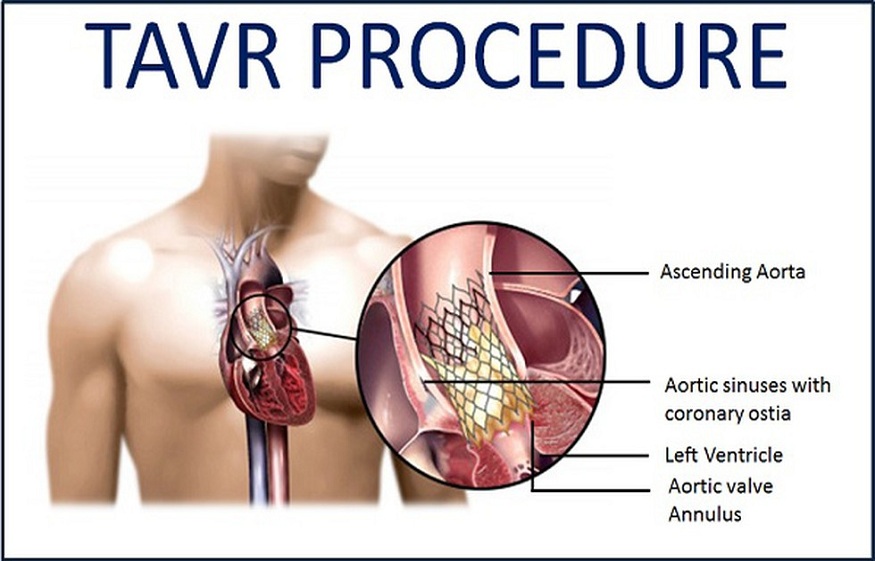
During the procedure, a replacement valve is guided through a blood vessel, usually through an artery in the groin, and positioned inside the diseased aortic valve. The new valve takes over the valve’s function and helps improve blood flow from the heart to the rest of the body.
People seeking TAVI/TAVR treatment in Dubai may undergo an assessment to determine whether this procedure is appropriate for their condition.
When Is TAVI or TAVR Considered?
TAVI/TAVR is mainly used for people with significant aortic valve narrowing, known as aortic stenosis. When the valve becomes stiff or narrowed, the heart has to work harder to pump blood through it.
The decision to recommend TAVI or another treatment depends on several factors, including:
- Severity of the valve disease
- Symptoms and their effect on daily activities
- Age and general health
- Heart and lung function
- Previous heart procedures or surgery
- Anatomy of the aortic valve and blood vessels
- Surgical risk
A cardiac team reviews these factors before deciding which treatment is appropriate. TAVI is not automatically suitable for every patient with aortic stenosis.
Read More: Tennessee Men’s Clinic Explores Men’s Health Fitness and the Power of Posture in Everyday Life
Symptoms of Aortic Valve Disease
Aortic stenosis can develop gradually, and some people may have few symptoms during the early stages. As the condition progresses, symptoms may become more noticeable.
Common symptoms include:
- Breathlessness, particularly during physical activity
- Chest discomfort or pain
- Dizziness or fainting
- Tiredness and reduced exercise tolerance
- Swelling of the ankles or legs
- A feeling of a rapid or irregular heartbeat
Anyone experiencing persistent or worsening symptoms should undergo a medical assessment. Early evaluation can help identify whether the symptoms are related to a valve problem or another heart condition.
How Is TAVI/TAVR Performed?
TAVI is performed using a catheter rather than opening the chest to remove the existing valve. Before the procedure, imaging tests are used to study the heart, aortic valve and blood vessels.
The replacement valve is placed on a catheter and guided towards the heart. Once it reaches the aortic valve, it is expanded and positioned securely. The new valve then begins regulating blood flow.
The procedure may be performed under sedation or anaesthesia, depending on the patient’s health, the planned technique and the medical team’s assessment.
What Happens Before the Procedure?
Careful planning is an important part of TAVI/TAVR. Patients usually undergo several investigations before the procedure. These may include an echocardiogram, electrocardiogram, blood tests and detailed imaging such as CT scans.
The cardiologist and other members of the heart team review the results to understand the patient’s anatomy and overall health. Medicines may also need to be adjusted before the procedure.
Patients should provide information about existing medical conditions, previous operations, allergies and regular medicines during their consultation.
Recovery After TAVI/TAVR
Recovery following TAVI is generally different from recovery after open-heart valve surgery. Hospital stay and recovery time vary depending on the patient’s age, health and whether any complications occur.
After the procedure, the medical team monitors heart rhythm, blood pressure and the function of the new valve. Some patients may be encouraged to begin walking relatively soon after the procedure.
Follow-up appointments are important. Echocardiography and other assessments may be recommended to check valve function and overall heart health.
Choosing the Right Cardiology Team
Cardiac valve treatment requires careful assessment rather than a one-size-fits-all approach. Patients may wish to ask about the cardiologist’s experience with their specific condition, available diagnostic facilities and the hospital’s cardiac intervention services.
When searching for the best cardiologist in Dubai, patients should consider factors such as relevant specialist experience, communication, diagnostic support and access to appropriate treatment options.
Read More: Exovena and Exosomes: The Dynamic Duo for Skin Restoration
A cardiologist may also coordinate care with cardiac surgeons, imaging specialists, anaesthetists and other healthcare professionals when a procedure is being considered.
Other Areas of Modern Cardiac Care
Cardiology is not limited to valve procedures. Depending on the patient’s condition, treatment may involve medication, catheter-based interventions, surgery or long-term monitoring.
Modern cardiac services may include assessment and treatment for:
- Coronary artery disease
- Heart failure
- Heart rhythm disorders
- Heart valve disease
- Congenital heart conditions
- Hypertension-related heart problems
- Peripheral vascular disease
- Structural heart conditions
The appropriate treatment depends on the diagnosis, symptoms, test results and overall health of the patient.
Conclusion
Advances in cardiology have expanded the treatment options available for people with heart disease. TAVI/TAVR is one example of how catheter-based techniques can be used to treat selected patients with aortic valve disease.
Anyone experiencing symptoms such as breathlessness, chest discomfort, dizziness or reduced exercise tolerance should discuss them with a qualified cardiology specialist. A detailed assessment can help identify the underlying cause and determine whether medication, monitoring, an intervention or another form of treatment is appropriate.